
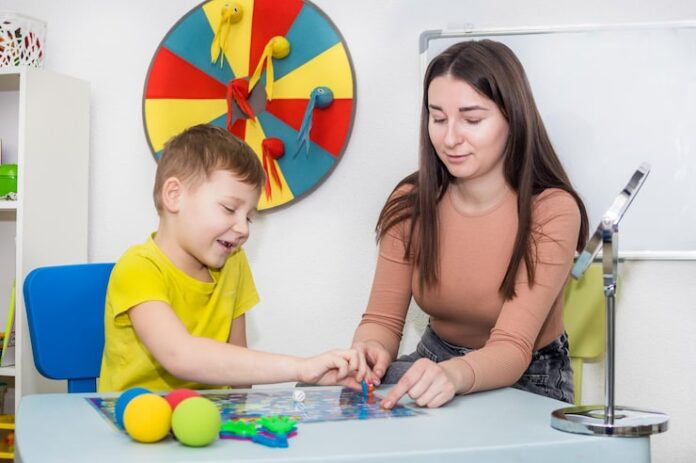
For families navigating an autism diagnosis, finding the right support system is essential. Children with autism often need structured guidance to develop communication, behavior, and social skills. One of the most effective approaches available today is ABA therapy for autism, which focuses on helping children build practical skills that improve their daily lives.
This therapy is widely recognized for its ability to create measurable progress through consistent and personalized techniques. By focusing on each child’s unique needs, ABA therapy helps them grow in a supportive and encouraging environment.
Understanding How ABA Therapy Works
ABA therapy is based on understanding how behavior is influenced by the environment. It uses positive reinforcement to encourage helpful behaviors while reducing those that may interfere with learning.
Therapists begin by observing the child’s actions and identifying patterns. These observations help in creating a structured plan that focuses on improving specific skills. For example, if a child has difficulty following instructions, the therapist may break the task into smaller steps and reward each successful attempt.
This step-by-step method makes learning easier and more manageable. Over time, children gain confidence as they master new skills and apply them in different situations.
The Role of Early Intervention in Success
Early intervention is a key factor in achieving positive outcomes for children with autism. During early childhood, the brain is more adaptable, making it easier to learn new behaviors and skills.
Introducing ABA therapy at a young age helps children develop communication and social abilities more effectively. It also reduces behaviors that may interfere with learning, allowing children to engage more fully with their environment.
Riley ABA & Autism Center prioritizes early intervention because it sets the foundation for long-term success. With the right support at the right time, children can make significant progress.
Improving Communication and Expression
Communication challenges are common among children with autism, but ABA therapy provides structured ways to address them. Therapists focus on helping children express their needs and understand others.
Some children may begin with nonverbal communication methods such as gestures or visual aids. Others may work on developing verbal language skills. Each approach is tailored to the child’s abilities and learning style.
As communication improves, children experience less frustration and are better able to interact with others. This leads to stronger relationships and a more positive daily experience.
Encouraging Positive Behavioral Changes
ABA therapy emphasizes positive reinforcement to encourage desirable behaviors. When a child successfully completes a task or demonstrates a new skill, they receive a reward or praise.
This method helps children understand which behaviors are appropriate and beneficial. Over time, they begin to repeat these behaviors naturally.
Therapists also work to identify the causes of challenging behaviors. By addressing these underlying factors, they help children develop healthier ways to respond to different situations.
Personalized Plans for Effective Learning
Every child with autism has unique needs, and ABA therapy reflects this individuality. Therapy plans are designed based on detailed assessments that evaluate the child’s strengths and challenges.
At Riley ABA & Autism Center, therapists create customized programs that focus on specific goals such as communication, social interaction, and daily living skills. These plans are regularly updated to ensure continued progress.
Families may also explore options like Autism behavioral therapy Kansas City to maintain consistency and access specialized care in different settings. This helps reinforce learning and ensures that progress continues steadily.
Developing Social and Life Skills
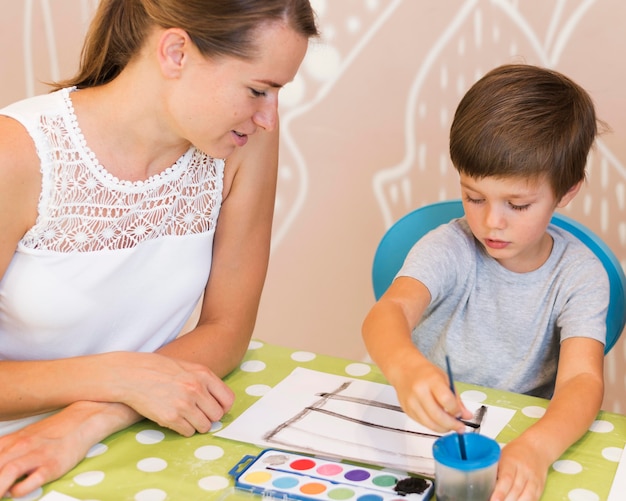
ABA therapy helps children build important social and daily living skills that are essential for independence. These include interacting with others, following routines, and managing simple tasks.
Through guided practice, children learn how to respond to social cues and participate in group activities. These experiences help them become more comfortable in social situations.
Daily living skills are introduced gradually, allowing children to develop confidence as they learn. This prepares them for greater independence in the future.
The Importance of Family Participation
Family involvement plays a crucial role in the success of ABA therapy. When parents and caregivers actively participate, children receive consistent support across all environments.
Therapists often provide guidance on how to apply ABA techniques at home. This includes reinforcing positive behaviors, maintaining routines, and encouraging communication.
This collaboration creates a strong support system that enhances the effectiveness of the therapy and supports the child’s overall development.
Creating a Supportive Learning Environment
A structured and positive environment is essential for effective learning. Children need a space where they feel safe, encouraged, and motivated to grow.
Riley ABA & Autism Center provides such an environment by combining professional expertise with compassionate care. Therapy sessions are designed to be engaging and interactive, helping children stay focused and interested.
This supportive atmosphere allows children to learn at their own pace while building confidence and independence.
Long-Term Benefits of ABA Therapy
The impact of ABA therapy extends beyond immediate improvements. Children who receive consistent support often develop skills that benefit them throughout their lives.
Improved communication, better social interaction, and increased independence contribute to success in school and daily activities. These skills also help children adapt to new situations more easily.
Riley ABA & Autism Center plays an important role in guiding families through this journey, offering the support and expertise needed for lasting progress.
Conclusion
ABA therapy is a powerful and effective approach for supporting children with autism. Its structured, personalized, and evidence-based methods help improve communication, behavior, and independence.
With early intervention, consistent effort, and family involvement, children can achieve meaningful progress that transforms their daily lives. Riley ABA & Autism Center demonstrates how compassionate care and professional expertise can create lasting positive change.
Choosing ABA therapy is a step toward empowering children to reach their full potential and build a brighter future.
FAQ
How does ABA therapy improve daily life for children with autism
ABA therapy helps children develop communication, social, and practical skills that make everyday activities easier and more manageable.
Is ABA therapy flexible for different needs
Yes, ABA therapy is highly customizable and can be adapted to meet the unique needs of each child.
How long should a child continue ABA therapy
The duration varies depending on the child’s progress and goals, but many children benefit from long-term, consistent therapy.

