
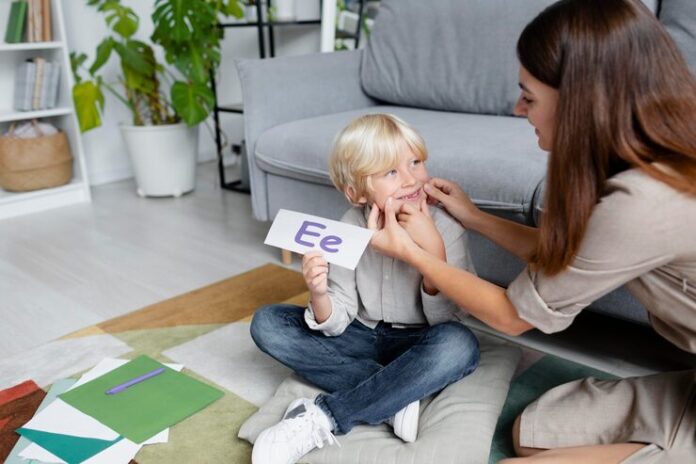
When your child struggles to communicate, everyday moments can feel stressful. Simple tasks like asking for help, sharing feelings, or participating in school may become challenging. As a parent, you want to support your child in the best possible way. Language Delay Therapy, offers structured, compassionate support that helps children strengthen communication skills and gain confidence.
With the right guidance, children can build the tools they need to express themselves clearly and connect with the world around them.
What Is Language Delay Therapy?
Language delay therapy is a specialized service provided by a speech-language pathologist to help children who are developing language skills more slowly than expected. Language involves both understanding what others say and expressing thoughts using words, gestures, or alternative systems.
Some children may struggle to combine words into sentences. Others may have difficulty following directions, answering questions, or participating in conversations. Therapy focuses on improving both receptive and expressive language skills in ways that are meaningful and functional for the child.
Why Communication Skills Matter
Language is the foundation of learning and relationships. Strong communication skills support reading development, classroom participation, emotional regulation, and peer interaction. When children cannot express themselves effectively, frustration can increase, sometimes leading to behavioral challenges.
By addressing language delays early, families can prevent small difficulties from becoming larger obstacles later in life. Even older children and teens benefit from targeted therapy that strengthens literacy, organization, and social communication.
Signs Your Child May Need Support
Children grow at different rates, but consistent challenges may indicate the need for evaluation. Some children are not using single words by 18 months. Others may speak but have limited vocabulary or difficulty forming complete sentences by age three. School-aged children might struggle with storytelling, understanding complex instructions, or participating in group discussions.
If communication challenges are affecting daily routines, learning, or social relationships, seeking professional support can provide clarity and direction.
A Child-Led and Neurodiversity-Affirming Approach
Modern therapy recognizes that children learn best when they feel safe, respected, and engaged. A neurodiversity-affirming model supports children as they are, focusing on functional communication rather than forcing conformity.
Child-led therapy means sessions are guided by the child’s interests. If a child enjoys puzzles, art, or imaginative play, those activities become opportunities to practice language skills. When children are motivated, they are more likely to participate actively and retain new skills.
This approach builds trust between the therapist and the child, which is essential for meaningful progress.
Conditions Supported in Language Delay Therapy
Language delay therapy can address a wide range of communication differences. Some children experience developmental language disorders, while others may have motor speech challenges such as childhood apraxia of speech. Articulation differences can impact clarity, and some children process language in larger chunks, known as gestalt language processing.
Augmentative and alternative communication systems may also be introduced when children need additional ways to express themselves. These tools support independence while verbal language continues to develop.
Families looking for Speech Therapy in Westchester often appreciate in-home services, as children communicate more naturally in familiar environments. Everyday routines become part of the learning process, helping children apply new skills in real-life situations.
What to Expect During Therapy
A typical session may include play-based activities, storytelling, conversation practice, and targeted exercises that support specific goals. For younger children, therapy often looks like guided play. For older children, sessions may focus on literacy, vocabulary development, and social communication strategies.
Parents are encouraged to participate or observe so they can reinforce techniques at home. Collaboration between therapist and family strengthens outcomes and ensures consistency.
Progress is measured through ongoing assessment. Goals are adjusted as the child develops new skills, ensuring therapy remains personalized and effective.
The Role of Family in Communication Growth
Family involvement is one of the most important factors in successful therapy. Communication happens throughout the day, not just during scheduled sessions. Parents can model language during daily routines, expand on their child’s words, and create opportunities for conversation.
For example, instead of simply handing a child a toy, a parent might pause and encourage a verbal request. During reading time, asking open-ended questions supports comprehension and expressive skills. These small strategies, used consistently, make a meaningful difference.
When parents feel confident in supporting communication, children benefit from a strong and consistent foundation.
Long-Term Impact of Early Intervention
Early language delay therapy can positively influence academic success, social development, and emotional well-being. Children who build strong language skills are better prepared for reading comprehension, written expression, and classroom participation.

Improved communication also strengthens peer relationships. Children who can share ideas and feelings confidently are more likely to engage in positive social interactions.
Even for older children, targeted therapy can reduce frustration and build confidence in academic and social settings.
Taking the Next Step
If you suspect your child may have a language delay, scheduling an evaluation is a proactive step. An assessment provides a clear picture of strengths and areas for growth. Even if therapy is not immediately recommended, professional guidance can offer strategies to support development at home.
Trusting your instincts as a parent is important. Seeking help early demonstrates advocacy and care for your child’s long-term success.
Conclusion
Language delay therapy offers individualized, compassionate support that empowers children to communicate effectively. Through child-led sessions, neurodiversity-affirming practices, and family collaboration, children strengthen expressive and receptive language skills. Early and consistent intervention supports academic readiness, social confidence, and emotional growth. If communication challenges are impacting your child’s daily life, taking action today can open the door to greater connection and confidence tomorrow.
FAQ
1. What is the difference between a speech delay and a language delay?
A speech delay involves difficulty producing sounds clearly, while a language delay affects understanding and using words and sentences effectively.
2. How long does language delay therapy usually last?
The duration varies depending on the child’s needs and progress. Some children benefit from short-term support, while others may need ongoing therapy.
3. Can older children benefit from language delay therapy?
Yes. Therapy supports children and teens up to age 18, especially when communication challenges affect academic performance, literacy, or social interaction.

