

Health care is changing. People no longer want to wait until something goes wrong before taking action. They want to feel better now, stay healthier longer, and understand their bodies more clearly.
This shift has given rise to hyper wellness, a modern approach that focuses on prevention, personalization, and proactive care rather than reactive treatment. It represents a new way of thinking about health—one that fits better with today’s fast-paced, data-driven world.
Moving Beyond Traditional Health Care Models
Traditional health care has long been centered on illness.
People visit doctors when symptoms appear. Treatment begins after problems develop. While this model is essential for acute care, it often leaves gaps in long-term wellness support.
Hyper wellness fills those gaps by focusing on early intervention and ongoing optimization. Instead of asking, “What’s wrong?” it asks, “How can we function better?”
This change reflects growing demand for care that supports daily health, not just crisis management.
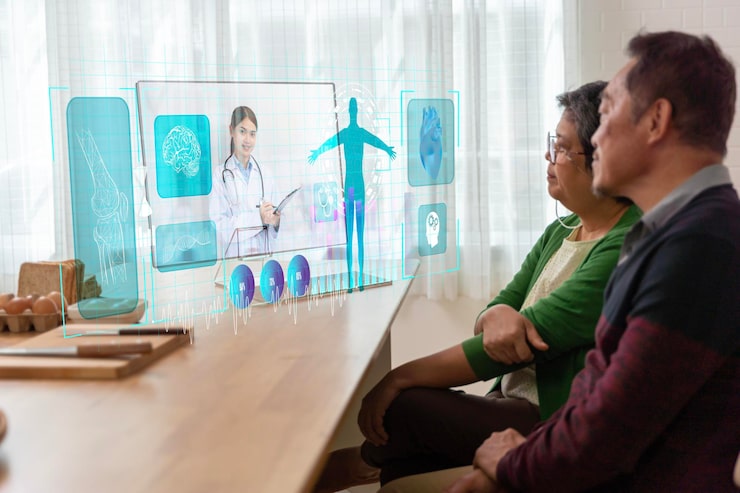
A Proactive Focus on Prevention
Prevention is a core principle of hyper wellness.
Rather than waiting for chronic issues to develop, this approach emphasizes identifying risks early. Lifestyle habits, stress levels, sleep quality, and nutritional balance all play a role.
By addressing these factors sooner, people can reduce long-term health challenges and maintain better quality of life as they age.
Personalization as the New Standard
One-size-fits-all care no longer meets modern expectations.
People respond differently to diet, exercise, stress, and treatment. Hyper wellness recognizes these differences and prioritizes individualized strategies.
Personalized care plans are built around data, lifestyle patterns, and personal goals. As a result, wellness feels more relevant, realistic, and effective.
Integrating Technology and Wellness
Technology plays a major role in modern wellness models.
Wearable devices, health tracking apps, and digital assessments provide ongoing insights into how the body responds to daily habits. This information helps people make informed adjustments instead of guessing.
In hyper wellness, technology supports awareness rather than replacing human care. It helps guide better decisions and encourages consistency.
Supporting Mental and Emotional Health
Modern health care increasingly recognizes that mental health is inseparable from physical well-being.
Stress, burnout, and emotional strain affect energy, sleep, and immune function. Hyper wellness includes mental and emotional balance as part of overall health support.
Mindfulness, recovery time, and stress management are treated as essential—not optional.
Wellness as an Ongoing Process
Health is not a fixed destination.
Hyper wellness views well-being as an ongoing process that evolves with life stages, responsibilities, and personal goals. This flexibility makes it easier for people to stay engaged over time.
Instead of short-term fixes, the focus shifts to sustainable habits and continuous improvement.
Why Hyper Wellness Resonates Today
Modern life is demanding. People juggle work, family, technology, and constant information.
A wellness model that supports resilience, adaptability, and balance feels more relevant than ever. Hyper wellness aligns with how people live today by offering support that is proactive, informed, and personalized.

Conclusion
Health care is no longer just about treating illness. It’s about supporting people before problems arise.
By emphasizing prevention, personalization, and continuous care, hyper wellness represents a meaningful shift in modern health care. It empowers individuals to take an active role in their well-being and supports healthier lives over the long term.
As expectations evolve, this approach is likely to play an increasingly important role in how we define and experience health.

