
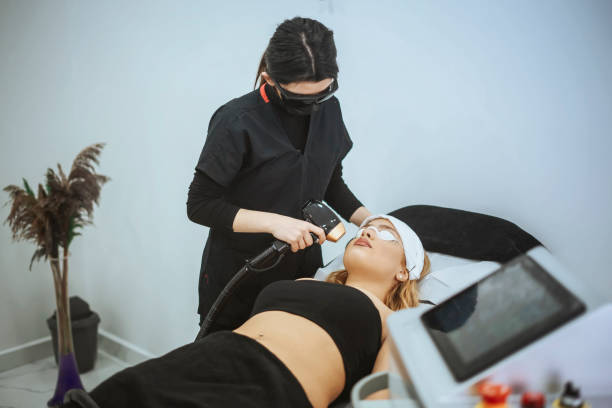
Quick Answer: A non surgical facelift combines two or more non-surgical techniques, typically radiofrequency or ultrasound skin tightening, dermal fillers, and sometimes PDO threads, to lift and firm the face without incisions. Ideal candidates are generally in their late thirties to mid-fifties with mild to moderate sagging and realistic expectations about the subtler, gradual results.
The term “non surgical facelift” gets thrown around loosely enough that patients often walk into a consultation expecting a single magic procedure. There isn’t one. A genuine non surgical facelift is actually a combination approach, layering different non-invasive or minimally invasive techniques to address volume loss, skin laxity, and contour change together, since no single device handles all three on its own.
Understanding that combination is the difference between a treatment plan that delivers real, visible change and one that leaves you wondering why you didn’t see the results you’d hoped for.
The Three Building Blocks
Skin tightening devices address loose, sagging skin using heat from radiofrequency (Thermage, Morpheus8) or focused ultrasound (Ultherapy) to stimulate collagen production in the deeper dermis and, in Ultherapy’s case, the SMAS layer that surgeons target during an actual facelift.
Dermal fillers restore lost volume, particularly in the cheeks, temples, and under-eye hollows, areas where fat pads naturally shrink and shift downward with age. Hyaluronic acid fillers like Juvederm or Restylane are the most common choice because they’re reversible and produce natural-looking results when placed correctly.
PDO threads (polydioxanone threads) provide an immediate, mechanical lift by anchoring barbed or smooth sutures under the skin, pulling tissue upward. Unlike tightening devices or fillers, threads create a visible lift the same day, though that effect gradually settles over the following weeks as swelling resolves and the thread integrates with surrounding tissue.
A well-designed non surgical facelift plan picks from these three based on what’s actually happening in your specific face, not a one-size package sold to every patient who walks in the door.
Why Combination Matters More Than Any Single Device
Here’s an example that illustrates the point well. A patient with hollow cheeks and a soft jawline but otherwise tight skin doesn’t need a skin tightening device at all, they need volume restoration through filler. Meanwhile, a patient with good volume but visibly loose jowls needs tightening, not more filler, since adding volume to already-lax skin can sometimes make sagging look more pronounced, not less.
I’ve seen patients who tried filler alone for jowling and came away disappointed, not because the filler was poorly done, but because filler was never the right tool for that specific problem. A proper consultation should map out which of the three building blocks your face actually needs, and in what order.
What The Process Actually Looks Like
A typical non surgical facelift plan unfolds over several weeks rather than a single visit. Skin tightening sessions, if needed, are often scheduled first since the collagen response takes months to fully develop. Fillers and threads, which provide more immediate visible change, are frequently added partway through or after the tightening series, once the provider can assess how much the skin has already firmed on its own.
Most full combination plans run three to six months from start to finish. That timeline frustrates patients expecting a one-appointment transformation, but it reflects how the underlying biology actually works rather than how fast a marketing claim wants it to sound.
Setting Expectations Against An Actual Facelift
A surgical facelift physically removes excess skin and repositions deeper tissue layers under general or local anesthesia, with two to four weeks of recovery and results that typically last ten to fifteen years. A non surgical facelift cannot replicate that level of change, full stop, and any provider claiming otherwise is setting you up for disappointment.
What it can do well is meaningfully improve mild to moderate signs of aging with zero to minimal downtime, no anesthesia risk, and a substantially lower upfront cost. For patients who aren’t ready for surgery, either due to cost, recovery time, or simply not being candidates yet, non surgical facelift options offer a legitimate middle ground rather than a consolation prize.
How Long The Results Actually Hold Up
This varies significantly by which techniques were used. Skin tightening effects from radiofrequency or ultrasound generally last 12 to 18 months. Hyaluronic acid fillers typically last 9 to 18 months depending on the product and area injected, with denser areas like the cheeks holding longer than thinner-skin areas like under the eyes. PDO threads tend to provide visible lift for 12 to 18 months as well, though the collagen stimulation they trigger can leave subtle benefits even after the threads themselves dissolve.
Because these timelines don’t perfectly align, most patients end up on a staggered maintenance schedule, touching up fillers slightly more often than tightening sessions, for example, rather than redoing the entire combination plan all at once.
Who Should Consider Surgery Instead
If you’re dealing with significant skin excess, deep nasolabial folds, or substantial jowling that’s progressed well beyond early laxity, a non surgical approach will likely underdeliver relative to your expectations. That’s not a failure of the techniques, it’s simply outside what they were designed to correct. A transparent provider will tell you this directly during a consultation rather than selling you a treatment plan that was never going to get you where you want to be.
The Bottom Line On Choosing This Path
A non surgical facelift works best as a tailored combination, not a single off-the-shelf procedure. The patients who get the most out of it are the ones who go in understanding it’s a gradual, maintenance-based process rather than a one-time fix, and who choose a provider willing to recommend less rather than upsell every available device. Ask specifically which building blocks your face needs and why, and be wary of any plan that includes all three regardless of what you actually present with.
Frequently Asked Questions
Q: What is included in a non surgical facelift?
A: It typically combines skin tightening devices, dermal fillers, and sometimes PDO threads, selected based on each patient’s specific combination of volume loss and skin laxity.
Q: How long does a non surgical facelift last?
A: Results generally last 12 to 18 months depending on the techniques used, with fillers and threads requiring more frequent touch-ups than tightening treatments.
Q: Is a non surgical facelift painful?
A: Most components involve mild discomfort managed with topical numbing. Thread placement can cause temporary tightness or soreness for a few days.
Q: How much downtime does a non surgical facelift require?
A: Downtime is minimal, usually limited to mild swelling or bruising for a few days, compared to two to four weeks for surgical facelifts.
Q: Am I too young or too old for a non surgical facelift?
A: Most candidates fall between their late thirties and mid-fifties, though results depend more on the degree of laxity and volume loss than age alone.

